
Valentine's Day Mail: How to Make Cards Feel Extra Special
Posted by Affordable Address Labels on Jan 25th 2022
Valentine’s Day mail does not have to be limited to romantic couples. A card can encourage a child at college, thank a friend who has shown up all year, brighten a grandparent's week, or remind a mentor that their support mattered. The occasion works best when the message is specific to the relationship.
A few details—an unexpected envelope color, a meaningful memory, or a carefully chosen return label—can make a simple card feel like a small event in the mailbox.
Start with a recipient list that goes beyond obligation
List the people who would genuinely enjoy hearing from you, not only the people expected to exchange cards. Friends in a demanding season, relatives who live alone, teachers, neighbors, and adult children may appreciate a short note more than a novelty gift.
Keep the list realistic. Five personal cards are more meaningful than thirty cards signed in a rush. If children are participating, let them choose a few recipients and contribute a drawing, sticker, or sentence.
Write one detail that belongs only to that person
General affection is pleasant; specific affection is memorable. Mention the weekly phone call you look forward to, the joke that still makes you laugh, the meal they brought, or a quality you admire. A single true detail prevents the message from sounding copied.
Romantic notes do not need to be dramatic. Describe an ordinary habit that makes daily life better or a recent moment you want to remember. Honest observation usually feels warmer than borrowed poetry.
Use color and texture with a clear addressing plan
Red, pink, lavender, cream, kraft, and deep burgundy envelopes all create a seasonal cue. Make sure the recipient address and postage remain easy to see. Dark envelopes may require a light label or opaque pen.
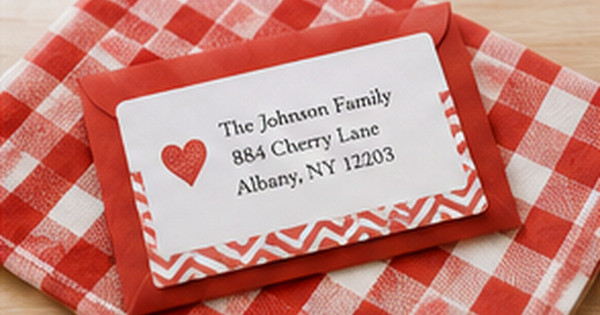
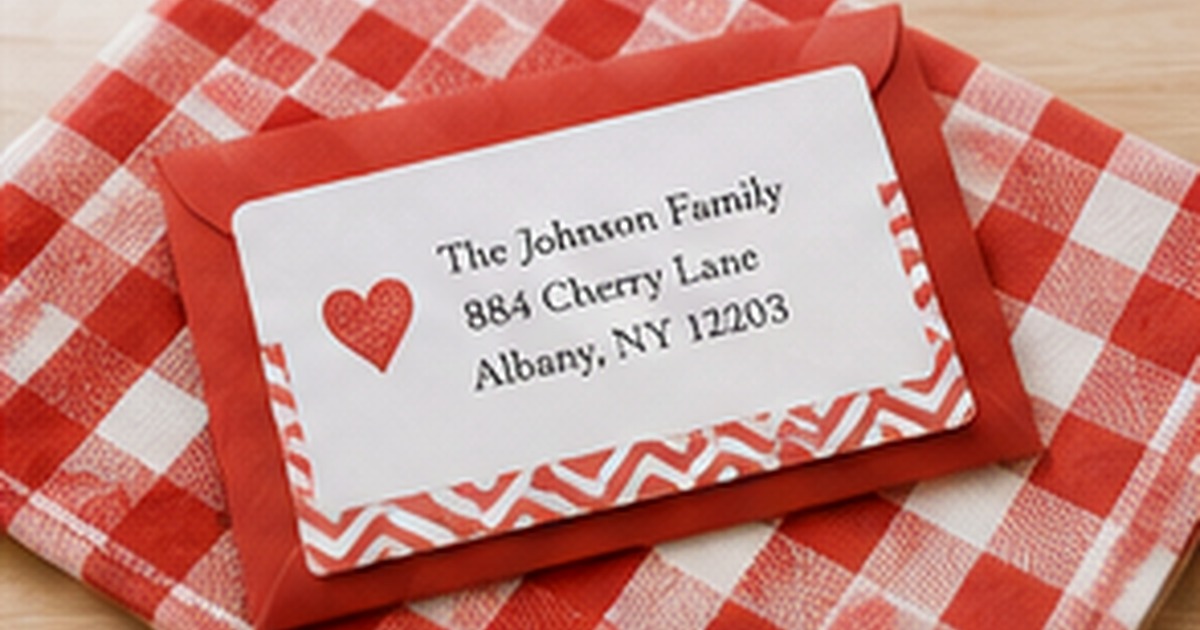
A heart, floral, or monogram return address label can coordinate the outside without covering the entire envelope in decoration. Leave room around the address and avoid placing seals or stickers where they interfere with postal handling.
Mail early enough for the card to be enjoyed
Send cards with enough time for ordinary delivery and unexpected delays. For people in the same household, place a card somewhere they will discover it—a work bag, breakfast place setting, or nightstand—rather than handing it over with the receipt still nearby.
If the date has passed, the message is not wasted. A note that says you were thinking of someone after a busy week can still carry the spirit of the occasion without pretending the timing was perfect.
Make the card easy to send, not merely easy to buy
Keep cards with envelopes, stamps, a reliable pen, and current addresses in one defined place. The fewer supplies that must be collected, the more likely a thoughtful message will be written while the reason for sending it is still fresh.
Review unused cards twice a year. Move versatile designs to the front, set aside occasion-specific cards for the next season, and remove pieces that no longer fit the relationships or events in your life. A smaller useful collection is better than a crowded drawer.
Add a keepsake without increasing postage complexity
A small photograph, child’s drawing, copied recipe, pressed-paper heart, or short list of favorite memories can make the card feel substantial without becoming a gift shipment. Keep inserts flat and lightweight, and confirm that the finished envelope still meets the intended postage and handling requirements.
Write the recipient’s name or a short note on loose inserts so they remain connected to the card if opened in a busy household. The keepsake should support the message rather than replace it; one personal handwritten paragraph is still the part most likely to be remembered.
Quick checklist
- Choose a manageable recipient list
- Write one specific memory or quality
- Use an envelope with strong address contrast
- Add return labels before inserting cards
- Check postage for nonstandard shapes
- Mail before the holiday rush
Frequently asked questions
Are Valentine cards appropriate for friends?
Yes. Friendship, gratitude, family affection, and encouragement are all natural reasons to send a card.
What should I write to someone going through grief?
Keep the note gentle and focused on care rather than celebration. A simple message that acknowledges the difficult season can be enough.
Can children mail classroom Valentines?
They can, but classroom exchanges are usually delivered in person. Mailed cards are a fun option for grandparents, cousins, or friends who live elsewhere.
Send a message that feels chosen, not mass-produced
The most memorable Valentine mail combines a true sentence with a few cheerful details. Choose greeting cards that fit each relationship and finish the envelopes with colorful personalized address labels that keep the practical information clear.