
Vacation Rental Welcome Cards: What Hosts Should Include
Posted by Affordable Address Labels on Oct 17th 2018
A vacation-rental welcome card is one of the first physical signs that a property is thoughtfully managed. It can reassure guests, reduce repeated questions, and make the stay feel more personal without becoming a thick instruction manual.
The most effective cards combine warmth with practical direction. Guests should feel welcomed and know exactly where to find essential information.
Lead with a genuine welcome
Open with a brief message that sounds like a host rather than a policy document. Mention the property or neighborhood and thank the guest for choosing the stay. Keep the tone consistent with the rental: relaxed for a beach cottage, polished for an urban apartment, or family-friendly for a larger home.
Include only the most immediate information
The card should cover essentials guests need in the first few minutes: Wi-Fi location, parking reminder, checkout time, and how to reach the host. Longer house rules, appliance instructions, and local recommendations can live in a separate guide. Overloading the welcome card makes the truly important information harder to find.
Use branded details consistently
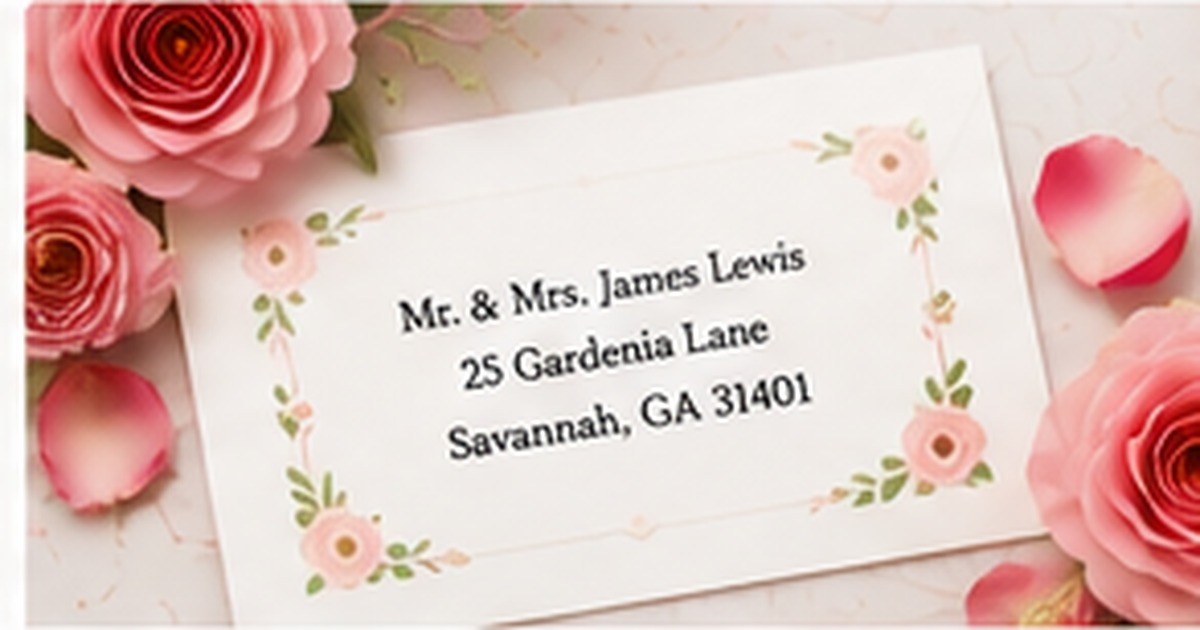
A small logo, property name, or matching address label can make the card feel professional. Repeat the same colors and typography used in booking messages or signage, but keep the design readable. Consistency helps guests recognize official information and distinguishes host materials from advertisements or outdated papers left in the property.
Plan for cleaning and replacement
Cards in rentals are handled often, so decide whether each guest receives a fresh card or whether a durable display card stays in place. If cards are personalized with guest names, build preparation into the turnover checklist. Keep extras stored with housekeeping supplies so a damaged or missing card is easy to replace.
A practical way to test the system
Photograph the current packing or mailing process and identify where information is repeated, misunderstood, or applied inconsistently. Create one full sample using the actual box, container, paper, tissue, and shipping method. Test the label for size, adhesion, contrast, and scanning or handling requirements. Then document where each label belongs and store supplies in that order. A small controlled test with several real orders is more useful than approving a design only from a large screen preview.
Common mistakes that weaken presentation
Trying to place branding, instructions, legal details, and shipping information on one small label usually creates crowded text. Other mistakes include using an adhesive that does not suit the surface, placing a decorative sticker over a box seam, and changing colors or fonts from one order to the next. Do not let branded elements interfere with barcodes, product warnings, or delivery information. Consistency and clarity create a stronger impression than adding more decoration to every surface.
Plan quantity, storage, and future use
Before ordering supplies for vacation rental welcome cards, count the real households, packages, containers, or pieces involved and add only a sensible correction buffer. Keep a copy of the approved wording, address format, image filename, and product details with the project notes. Store unused labels and stationery flat in a clean, dry place, away from heat and direct sunlight. After the first real use, record anything you would change about size, contrast, wording, or quantity. That simple review makes the next reorder faster and prevents the same small problem from being repeated across future mailings or packaging projects.
Quick checklist
- Write a short personal welcome
- List only immediate essentials
- Keep branding consistent and readable
- Store replacement cards with turnover supplies
Frequently asked questions
Should the Wi-Fi password appear on the welcome card?
It can, provided the card stays inside the property and the host is comfortable updating it whenever the network changes.
Do guests prefer printed cards or digital guides?
Many appreciate both. A printed card is immediate, while a digital guide can hold more detailed information.
Should the card include local recommendations?
One or two favorites can be helpful, but a separate guide is better for a longer list.
Make the next mailing easier
A thoughtful system turns stationery and labels into practical tools rather than last-minute details. Explore greeting cards and custom labels to coordinate the next project with clear, useful pieces that are ready when you need them.