
The Power of Handwritten Notes in a Digital World
Posted by Affordable Address Labels on Jul 29th 2019
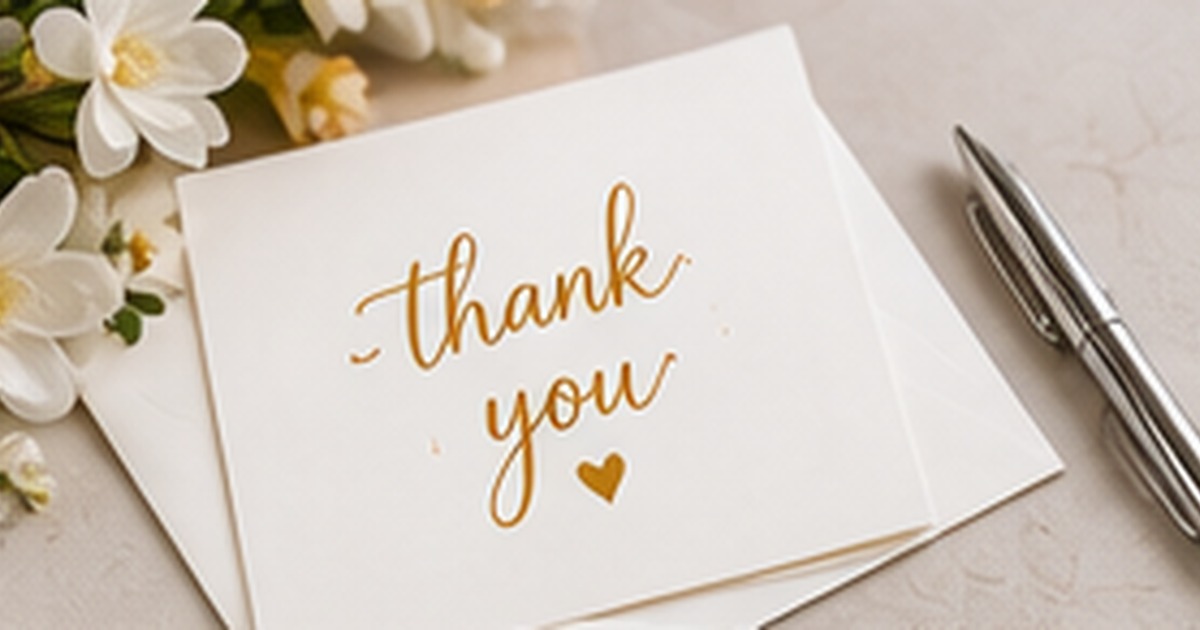
Digital messages are fast and useful, but handwritten notes carry a different kind of attention. The physical card, handwriting, envelope, and delivery all show that the sender paused long enough to create something tangible.
A meaningful note does not require perfect penmanship or a long message; it requires specificity, sincerity, and a clear reason for reaching out. The following steps focus on real use, clear communication, and a result that can be maintained instead of looking good only on the day it is created.
Why physical mail feels memorable
A card remains visible on a desk, shelf, or refrigerator after a text disappears from a screen. This is the foundation of this part of the system because it keeps the purpose clear before design or quantity decisions are made. Next, the recipient can revisit the message without searching through an app. Next, paper, ink, and handwriting create sensory details that digital communication lacks. Next, the effort signals that the relationship deserved extra time. This approach works because it makes the next action obvious and removes the need to reinterpret the system each time.
Use a simple message structure
A useful starting point is to open with the reason for writing. That choice creates a clear rule that can be repeated across the entire project. Next, add one specific memory, action, or quality that matters. Next, state the feeling directly instead of relying on formal phrases. Next, close with a natural line that sounds like the sender. Before ordering or applying the full quantity, test one real example under the same conditions in which it will be used.
Choose stationery that supports the relationship
The most dependable method is to use cheerful cards for congratulations and appreciation. It reduces exceptions and makes the finished result easier to understand at a glance. Next, select restrained designs for sympathy or professional notes. Next, leave enough blank space for the message. Next, match the envelope and return label without making the presentation overly formal. Consistency matters more than complexity: a modest system followed every time is more useful than an elaborate one that people avoid.
Create a realistic note-writing habit
Begin by planning to keep cards, pens, stamps, and addresses in one accessible place. Once that decision is settled, the remaining design and organization choices become much easier. Next, write one or two notes at a time instead of waiting for a large project. Next, add birthdays and follow-up dates to a calendar. Next, prepare a short list of people who deserve thanks or encouragement. The final check should be practical rather than purely visual, including readability, placement, durability, and ease of replacement.
Combine handwritten and digital communication thoughtfully
For this step, it helps to use digital messages for immediate updates and handwritten notes for lasting acknowledgment. The goal is a repeatable result, not a one-time arrangement that is difficult to maintain. Next, send a quick message when timing matters, then follow with a card. Next, avoid repeating the same generic wording in both formats. Next, let each channel do the job it handles best. Document the decision in a saved proof, sample, or short note so future reorders and updates do not start from zero.
Quick checklist
- A card remains visible on a desk, shelf, or refrigerator after a text disappears from a screen
- Open with the reason for writing
- Use cheerful cards for congratulations and appreciation
- Keep cards, pens, stamps, and addresses in one accessible place
- Use digital messages for immediate updates and handwritten notes for lasting acknowledgment
Frequently asked questions
Does handwriting need to be beautiful?
No. Readable, genuine handwriting is more important than calligraphy.
How long should a handwritten note be?
Three to six thoughtful sentences are often enough, although the occasion may call for more.
Is a handwritten note appropriate for business relationships?
Yes. A concise thank-you or follow-up note can feel professional and memorable when the wording is appropriate.
Put the plan into practice
A clear system makes the project easier to complete and easier to repeat. Review one full-size sample, correct any wording or spacing issues, and keep the final details for future use. Explore greeting cards to coordinate the practical pieces with the look you want.