
Spring and Summer Stationery Ideas for Brighter Mail
Posted by Affordable Address Labels on May 30th 2020
Spring and summer create natural reasons to send mail: graduations, weddings, showers, housewarmings, vacations, birthdays, reunions, and simple notes written when the days feel more open. Seasonal stationery can reflect that energy without becoming too specific to finish before September.
A useful warm-weather set combines one versatile foundation with a few event-focused pieces. Color, paper, envelope choice, and a small motif can shift the mood more effectively than adding a seasonal phrase to every item.
Build a palette from the occasions you actually have
Soft green, blush, lilac, sky blue, coral, citrus, aqua, and warm yellow can all feel seasonal. Choose two or three colors that coordinate with the events on the calendar and the envelopes already on hand.
Pastels are gentle but need enough text contrast. Saturated colors make a stronger statement and often work best as an envelope, border, or small accent. Use neutral paper to connect multiple colors across the set.
Choose motifs with a longer useful season
Botanical line art, wildflowers, leaves, waves, fruit, gingham, stripes, and simple suns can move across several months. Highly specific graduation years, wedding dates, or destination graphics should be ordered in quantities tied to the event.
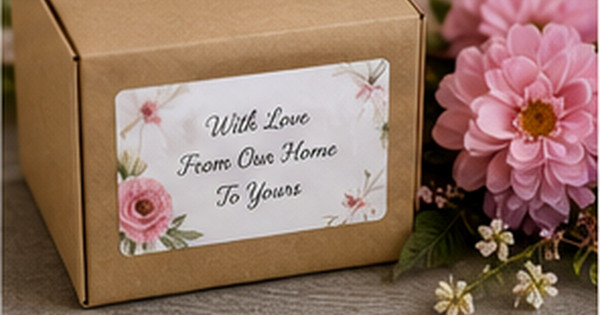
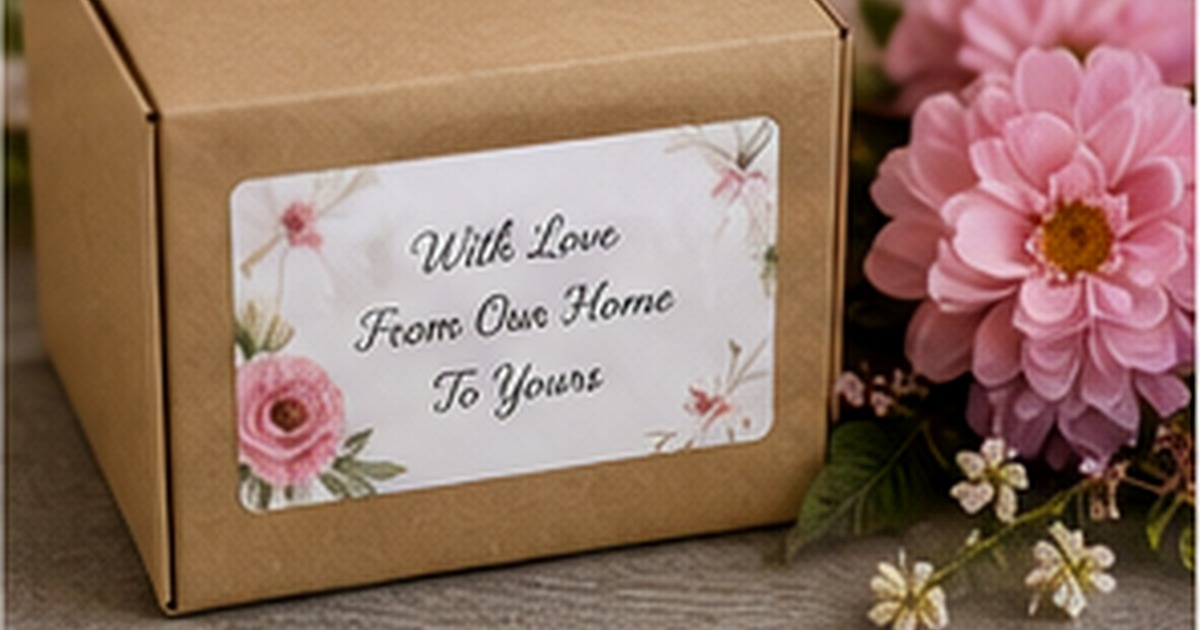
A floral return address label can work on a baby shower invitation in April, a thank-you note in June, and a birthday card in August. Versatile pieces reduce leftovers while still creating a seasonal impression.
Prepare for the practical demands of summer mail
Heat, humidity, travel, and outdoor events affect stationery. Store labels and cards in a cool dry place, keep envelopes flat, and transport invitation sets in a rigid folder. Test pens on coated or colored envelopes so they do not smear.
For destination events, confirm mailing addresses before guests begin extended travel. Add return information clearly and keep an extra set of cards for last-minute additions or replacement invitations.
Create a ready-to-send seasonal drawer
Stock a modest range of birthday, congratulations, thank-you, sympathy, and blank cards rather than buying only event invitations. Add envelopes, postage, a pen, return labels, and a short address list.
Review leftovers at the end of summer. Keep versatile designs, donate appropriate unopened cards, and record which categories ran out. That information makes next year's stationery purchase more accurate.
Build a small sample set before expanding
Try the design on an everyday note, a formal card, and a seasonal envelope before ordering a large coordinated wardrobe. This shows whether the colors and typography are genuinely versatile or only look cohesive in a product preview.
Record which pieces are used first. The next purchase should follow real behavior: more everyday cards if those disappear quickly, fewer special envelopes if they remain untouched, and a refill of the label or stamp that consistently makes sending easier.
Plan a few complete mail combinations
Lay out three finished combinations before buying: an everyday thank-you note, a celebration card, and a more formal invitation. Assign a card, envelope, return label, pen, and postage choice to each. This reveals missing basics and prevents purchasing several beautiful pieces that do not work together.
Photograph the combinations and keep the image with the stationery drawer. When an event arrives, the visual reference removes decision fatigue and helps other family members use the supplies correctly. Repeating a successful combination also creates consistency across a busy season without making every mailing identical.
Quick checklist
- Choose a two- or three-color palette
- Use versatile motifs for larger quantities
- Order dated event pieces carefully
- Test pens and labels in warm-weather conditions
- Keep blank and thank-you cards ready
- Review remaining supplies after the season
Frequently asked questions
Can floral stationery be used for business notes?
Yes, when the artwork is restrained and the message is appropriate. A small botanical border can feel polished rather than casual.
What envelope colors are easiest to address?
White, cream, pale blue, blush, and light kraft offer broad pen and label options. Dark colors may require opaque ink or a light address label.
How can one set work for both spring and summer?
Use a neutral base with botanical, coastal, or striped accents rather than a holiday-specific phrase. Change the card or envelope accent for each event.
Let the season brighten the details
Spring and summer stationery should make sending a note feel easy, not create a pile of one-use leftovers. Build around versatile colorful address labels, a useful mix of greeting cards, and a coordinating address stamp for quick everyday correspondence.