
School Supply Labels by Age: Preschool Through Middle School
Posted by Affordable Address Labels on Nov 1st 2022
The best school label for a preschooler is not always the best label for a middle-school student. Reading ability, privacy, changing classrooms, and personal style all affect what information should appear and how visible it should be.
An age-aware system helps children identify their belongings without making older students feel that every notebook looks like early-childhood gear.
Preschool: use clear names and recognizable symbols
Young children benefit from a large first name and a simple icon or color they can identify independently. Parents and teachers may need additional contact information according to school rules, but avoid adding more personal detail than necessary. Apply labels to lunch containers, bottles, nap items, and frequently shared classroom objects. The design should be easy for an adult to scan while also helping the child recognize ownership.
Early elementary: support growing independence
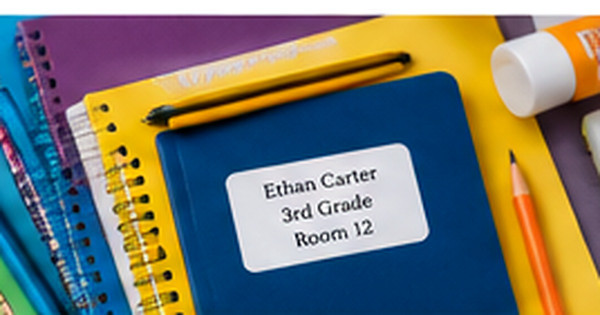
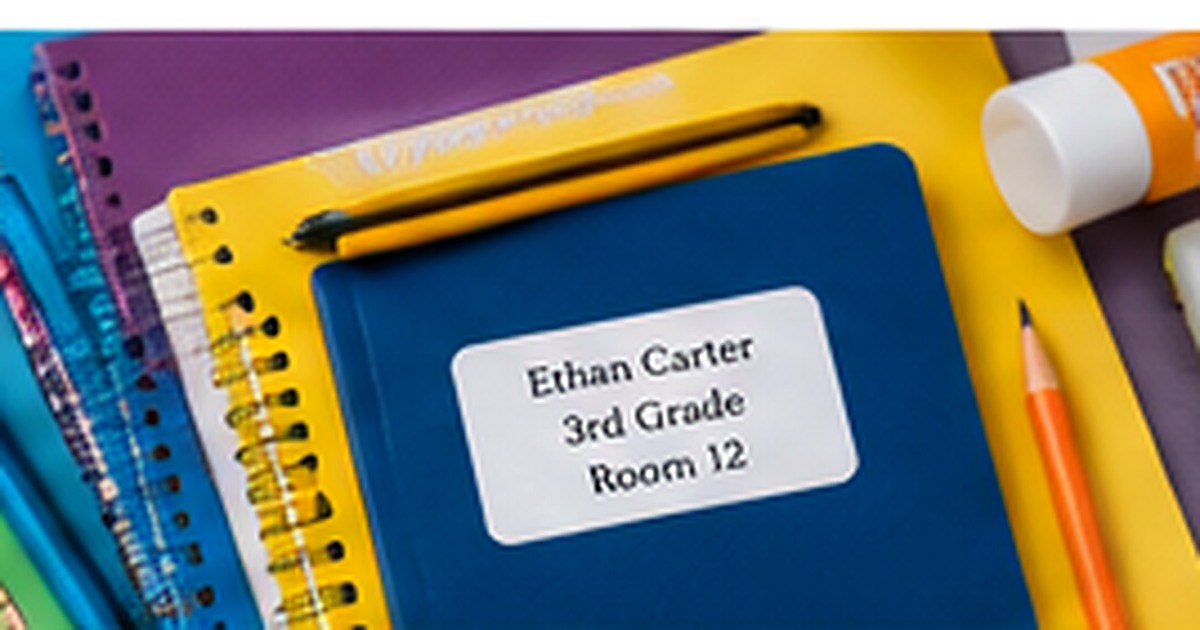
Students can begin reading full names and classroom information, so labels may include first and last name, teacher, or room when useful. Choose durable labels for water bottles and lunch gear, and simpler paper labels for folders or notebooks. Let the child choose a color or small motif so the system feels personal, but maintain consistent formatting across items.
Upper elementary: make organization the priority
As students carry more subjects and supplies, labels can support organization as well as ownership. Use subject names on binders, simple name labels on devices and gear, and color coding for folders. Designs can become more restrained while still reflecting the student’s preferences. A few blank write-on labels are useful for changing classes or temporary projects.
Middle school: keep labels discreet and functional
Older students often prefer minimal labels placed inside covers, under containers, or near a tag rather than across the front. Initials, last name, or a small clean label may be enough. Respecting the student’s style increases the chance the labels will actually be used. Focus on expensive or easily confused items such as calculators, headphones, chargers, instrument cases, and sports gear.
Review privacy and school-specific rules
Schools may have different requirements for medication, devices, uniforms, or transportation tags. Follow those instructions and avoid printing a home address on ordinary supplies unless it is truly needed. A school label system should help return items without displaying unnecessary information to everyone who handles them.
A staged labeling plan for a school year
Before school begins, label high-loss items such as bottles, lunch containers, jackets, and devices. After schedules are confirmed, add class or subject labels to folders and binders. Keep a small set of blank labels for field trips, clubs, and replacement supplies. This staged approach avoids guessing every category in advance and gives older students control over where visible labels are placed.
Common school-label mistakes
Avoid putting a full home address on ordinary classroom supplies unless a rule requires it. Do not use a label that cannot tolerate the item’s cleaning routine. Children may remove designs they dislike, so include them in age-appropriate choices. Labels should not cover safety instructions, device vents, barcodes, or school inventory tags. Review medication and transportation labeling requirements separately.
Do one real-world review before finalizing
Before committing to the final approach, create one complete sample using the actual materials, names, address details, containers, or stationery involved in school supply labels by age. View it in normal light, handle it the way a recipient or household member would, and ask another person what they notice first. This last review catches small problems with scale, wording, placement, and usability. Record the approved choices so a future reorder or update begins from a tested version rather than an old draft or memory.
Quick checklist
- Match visibility and design to the child’s age
- Label high-value and frequently shared items first
- Use only the information the school or situation requires
- Let older students choose discreet placement
Frequently asked questions
Should every school item have the full student name?
Not always. Initials or a last name may be sufficient for some items, depending on school policy and the likelihood of confusion.
Are decorative labels appropriate for older students?
They can be if the student likes them. Minimal styles and inside-cover placement often receive better acceptance.
What items are most important to label?
Water bottles, lunch containers, outerwear, devices, chargers, calculators, cases, and items that move between classrooms are strong priorities.
Put the plan into practice
A thoughtful system is easier to use when the design and supplies support the real task. Explore custom labels to create coordinated pieces that remain clear, practical, and personal.