
Office Supply Inventory Labels for Shared Workspaces
Posted by Affordable Address Labels on Feb 17th 2024
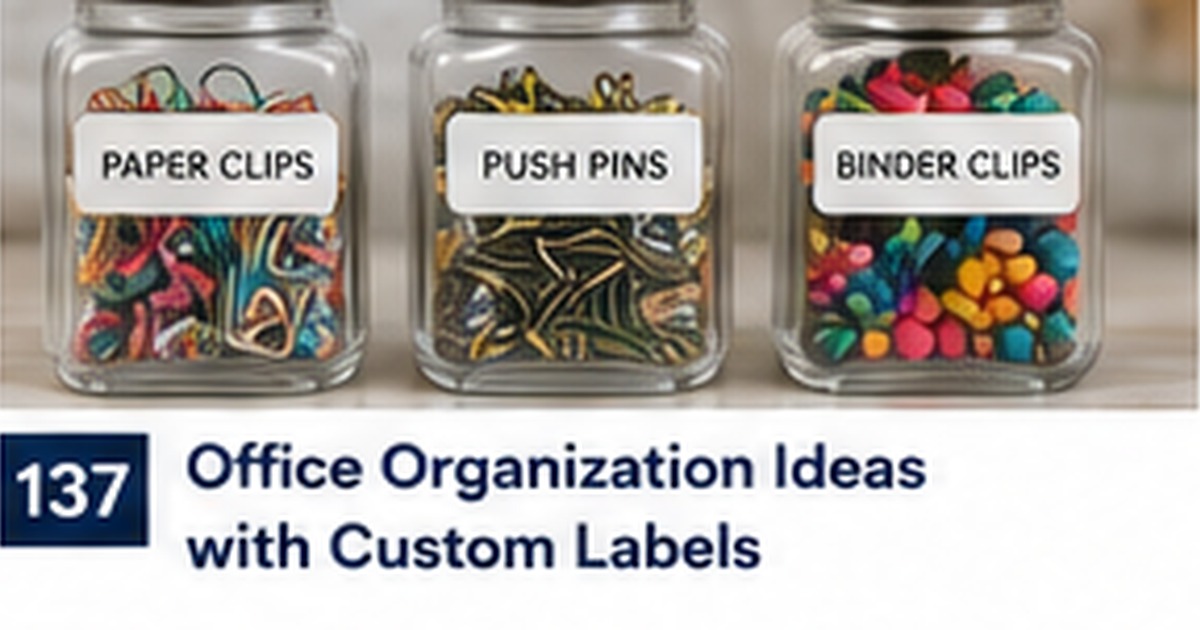
Shared office supplies become expensive when no one knows what is available, where it belongs, or when it should be reordered. Labels can turn cabinets and bins into a simple visual inventory system without requiring complicated software for every low-cost item.
The goal is to make normal behavior easy: take an item, return extras to the same location, and recognize when stock has reached a reorder point.
Label locations, not individual disposable items
A stable bin or shelf label is more useful than labeling each box of paper clips. The location should communicate the category and remain valid as brands or package sizes change. Use individual labels only for reusable equipment, high-value tools, or items that regularly move between departments.
For this part of the project, use a real sample instead of relying only on a screen preview. Check the wording, size, placement, and workflow with the people who will actually use it. A small test often reveals an issue before it affects an entire order or mailing.
Use categories that match how people search
Employees look for pens, shipping supplies, presentation materials, cleaning items, and technology accessories, not abstract procurement codes. Use familiar language and place related categories near one another. A short sublabel can identify approved sizes or special restrictions when necessary.
For this part of the project, use a real sample instead of relying only on a screen preview. Check the wording, size, placement, and workflow with the people who will actually use it. A small test often reveals an issue before it affects an entire order or mailing.
Add simple reorder signals
A line inside the bin, a second colored label, or a minimum-quantity note can show when stock should be reordered. Assign responsibility for checking the signal. Labels alone cannot manage inventory if no one knows who acts when the threshold is reached.
For this part of the project, use a real sample instead of relying only on a screen preview. Check the wording, size, placement, and workflow with the people who will actually use it. A small test often reveals an issue before it affects an entire order or mailing.
Separate general stock from reserved supplies
Client kits, event materials, emergency supplies, and department-specific stock may need restricted or clearly marked locations. Without separation, employees may consume items that were counted for another purpose. Use direct labels such as Reserved for Training or Event Stock - Do Not Use rather than relying on color alone.
For this part of the project, use a real sample instead of relying only on a screen preview. Check the wording, size, placement, and workflow with the people who will actually use it. A small test often reveals an issue before it affects an entire order or mailing.
Review the layout after employees use it
Observe which supplies continue to migrate, which labels are ignored, and where duplicate purchases still occur. Move categories to match real workflow and remove labels for items no longer stocked. A useful inventory system evolves with the office rather than remaining frozen after the first organization day.
For this part of the project, use a real sample instead of relying only on a screen preview. Check the wording, size, placement, and workflow with the people who will actually use it. A small test often reveals an issue before it affects an entire order or mailing.
Quick checklist
- Label stable storage locations
- Use ordinary search language
- Add visible reorder points
- Separate reserved stock
- Revise based on actual behavior
Frequently asked questions
Should office labels include item numbers?
Include them when they help procurement, but keep the common item name prominent for everyday users.
Is color coding enough?
No. Pair color with text so the system remains clear to everyone.
How often should the supply system be reviewed?
Review after major staff, vendor, or workflow changes and whenever repeated shortages or duplicates appear.
Build a dependable stationery system
Good labels and paper goods make communication easier when the design supports the real task. Review custom labels to create a coordinated solution that is readable, useful, and appropriate for the occasion.