
Kitchen Organization Labels: A System That Survives Real Life
Posted by Affordable Address Labels on Jan 23rd 2021
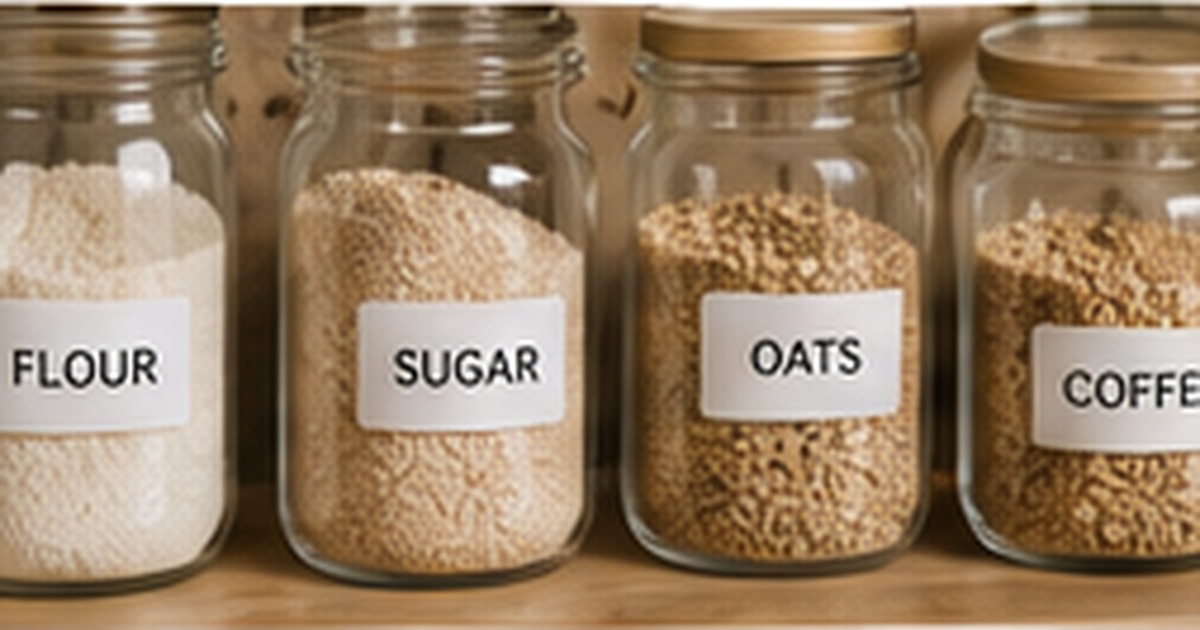
A freshly labeled pantry can look perfect in a photograph and fail within a week. Groceries arrive in different sizes, family members return items to convenient places, and categories that sounded logical become too narrow. Durable kitchen organization begins with behavior rather than containers.
Labels should reduce decisions. They need to tell people where an item belongs, when food was stored, or which container is safe for a particular use. A smaller number of accurate labels usually works better than covering every shelf with highly specific names.
Observe the kitchen before naming categories
Spend several days noticing where items naturally accumulate. Baking ingredients, breakfast foods, snacks, lunch supplies, spices, and back stock often need different levels of access. Place frequently used items where they are easiest to reach before deciding what the label should say.
Broad categories such as “Snacks,” “Baking,” or “Pasta and Rice” can absorb changing brands and package sizes. Extremely specific labels may look orderly but require constant rearrangement when the shopping list changes.
Use different label types for different jobs
Permanent printed labels work well on stable jars, bins, and shelves. Removable or erasable labels are better for leftovers, rotating ingredients, freezer dates, and containers that change purpose. A pantry system may use both without losing visual consistency.
Choose materials that tolerate the cleaning method. Dishwasher exposure, refrigerator condensation, cooking oils, and textured plastic can weaken ordinary paper labels. Test one container through normal use before labeling the entire kitchen.
Write labels for every person who uses the space
Use familiar words and readable type. Children may benefit from simple icons or color cues, while a shared household may need labels such as “School Snacks,” “Allergy Safe,” or “Use First.” The system should answer real questions, not display a private filing language only one person understands.
Avoid decorative scripts on small spice jars or low shelves. Contrast and letter size matter more than style when someone is cooking, carrying groceries, or searching quickly.
Review the system after ordinary grocery cycles
Wait several shopping trips before making every label permanent. Notice which bins overflow, which categories remain empty, and where unlabeled items collect. Those patterns reveal whether the storage plan fits the household.
Keep a small repair supply for replacement containers and new categories. When a system changes, remove obsolete labels instead of layering new wording over old instructions. Clean revisions keep the kitchen easier to understand.
Use a two-week temporary-label trial
Write proposed categories on removable notes or low-tack labels and live with them through at least two grocery cycles. Notice where family members hesitate, where packages do not fit, and which categories become catch-all bins. Adjust the container or wording before ordering a polished permanent set.
At the end of the trial, remove every label and ask whether the location still makes sense without it. A good label supports an intuitive storage decision; it should not compensate for a bin placed far from the activity it serves. Finalize only the categories that people used consistently and understood without repeated explanation.
Photograph the final arrangement and keep a short list of label wording. When a jar breaks or a bin is replaced, the household can reproduce the system without inventing a slightly different category. Consistency becomes easier when the design and language are documented instead of depending on memory.
Quick checklist
- Observe natural item placement
- Use broad categories for changing inventory
- Match label material to cleaning conditions
- Use removable labels for rotating contents
- Write for everyone who uses the kitchen
- Review after several grocery cycles
Frequently asked questions
Should every pantry container be labeled?
No. Label stable categories and items that are easy to confuse. Overlabeling can create visual noise and extra maintenance.
What information belongs on leftover labels?
The food name and storage date are usually the most useful. Add use-by guidance only when the household follows a defined rule.
Can paper labels be used in the refrigerator?
They may work on dry containers, but condensation can weaken them. Moisture-resistant or removable synthetic labels are often more reliable.
Build a kitchen system that supports the household
Good organization labels make daily actions obvious and remain flexible as groceries change. Start with observed behavior, test materials, and make categories permanent only after they prove useful. Use custom labels for stable containers and keep temporary options for changing food storage.