
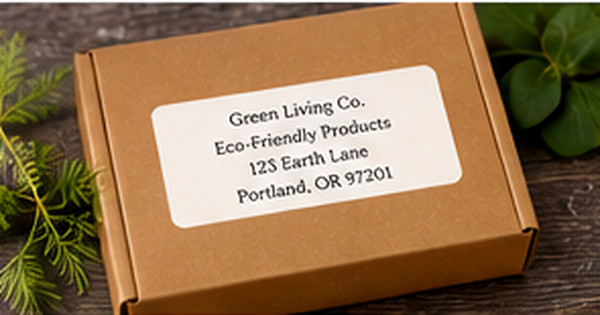
How to Label Reusable Shipping Boxes and Low-Waste Packaging
Posted by Affordable Address Labels on Aug 20th 2018
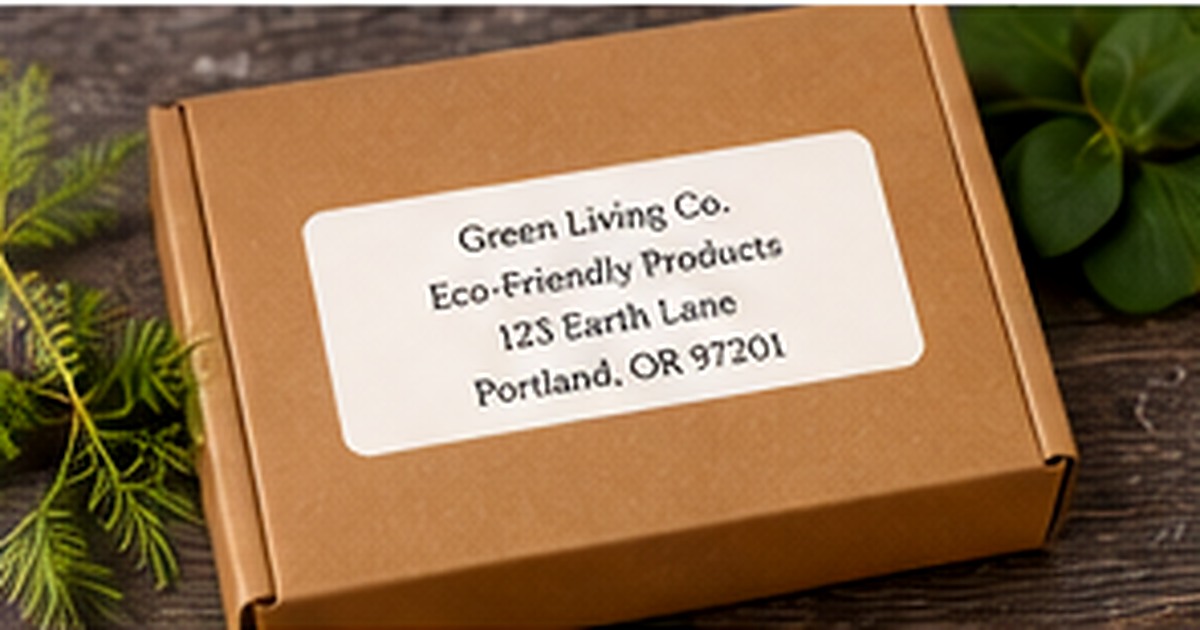
Reusable boxes and low-waste packaging can reduce material use, but they create a labeling challenge. A box may travel more than once, while shipping information, customer names, and product details change with every trip.
The best system separates permanent brand information from temporary delivery information. That makes each package easier to reuse, cleaner to recycle, and less likely to carry an outdated barcode or address into the next shipment.
Reserve a consistent area for temporary shipping information
Choose one flat panel as the shipping-label zone and use it every time. Keeping barcodes, addresses, and carrier labels in one area prevents the box from becoming covered with overlapping stickers. If the container is designed for multiple uses, consider a removable sleeve, document pouch, or replaceable label panel. The goal is to remove old routing information completely so scanners and delivery staff see only the current shipment.
Keep permanent branding modest and durable
A reusable box may carry a small logo label, return address, or handling message that stays with the container. Put permanent branding where it will not interfere with shipping labels or box closures. Simple one-color designs often age better than large decorative wraps because scuffs are less noticeable and the package remains flexible for different products. Brand recognition comes from consistent placement and typography, not from covering every surface.
Choose adhesives with the next use in mind
Strong adhesion is important during transit, but an excessively aggressive label can tear cardboard or leave residue that limits reuse. Test labels on the actual box material before adopting them for every order. Smooth coated boxes, kraft corrugate, and reusable plastic mailers behave differently. For paper boxes, a removable outer sleeve may be more practical than repeatedly applying labels directly to the same area.
Make recycling instructions clear but accurate
Avoid broad environmental claims that are difficult to verify. Instead, give practical instructions such as removing a pouch, flattening the box, or returning the container through a specific program. Place those instructions where the customer will see them after opening. Clear action language is more useful than vague wording and helps the packaging reach the intended reuse or recycling path.
Build the packing process around repeatability
Store permanent brand labels separately from shipment-specific labels, and train packers to remove or cover outdated information before reuse. A short checklist can prevent duplicate barcodes, old customer names, and damaged closures. Low-waste packaging works best when the operational routine is as thoughtful as the materials themselves.
A simple reusable-box workflow
A small shop can place a permanent brand label on one side panel, reserve the top for the current carrier label, and add a removable return instruction inside the lid. When a box comes back, staff inspect the structure, remove every temporary label, and apply the next shipment label in the same location. Because each element has a defined place, the package looks organized through several uses instead of becoming a patchwork of stickers.
Common low-waste labeling mistakes
Avoid applying a new label directly over old barcodes, since scanners may read the wrong one. Do not use environmental language that suggests a package is recyclable everywhere when local rules vary. A reusable package also should not be kept in circulation after it loses strength or cleanliness. Reuse is valuable only when the package still protects the product and presents current information clearly.
Do one real-world review before finalizing
Before committing to the final approach, create one complete sample using the actual materials, names, address details, containers, or stationery involved in labels for reusable shipping boxes. View it in normal light, handle it the way a recipient or household member would, and ask another person what they notice first. This last review catches small problems with scale, wording, placement, and usability. Record the approved choices so a future reorder or update begins from a tested version rather than an old draft or memory.
Quick checklist
- Use one designated shipping-label zone
- Separate permanent branding from temporary routing
- Test removability on the actual package
- Remove every outdated barcode before reuse
Frequently asked questions
Can ordinary cardboard boxes be reused for customer orders?
They can when the box remains structurally sound, clean, and appropriate for the product. Remove old routing information and inspect seams before use.
Should a reusable package have a branded return label?
A small permanent return or brand label can help, but it should not compete with the current shipping information.
Are kraft labels automatically more sustainable?
Appearance alone does not determine environmental impact. Consider the full material, adhesive, production, and disposal system.
Put the plan into practice
A thoughtful system is easier to use when the design and supplies support the real task. Explore custom labels to create coordinated pieces that remain clear, practical, and personal.