
Craft Room Labeling: Organize Ribbon, Beads, Buttons, and Paper Supplies
Posted by Affordable Address Labels on Jan 13th 2024
Craft rooms collect small parts, beautiful materials, half-finished projects, and tools that are easy to misplace. Labels help only when the categories reflect how the maker actually works.
The goal is not to create a showroom that is difficult to maintain. A practical system should make supplies visible, easy to return, and simple to adjust as projects and interests change.
Sort by the way supplies are selected
Some makers choose ribbon by color, others by width or material. Beads might be selected by size, color, or project type. Organize around the decision you make first when beginning a project. A category system copied from someone else may look neat but slow you down if it does not match your process.
Use clear labels on clear containers selectively
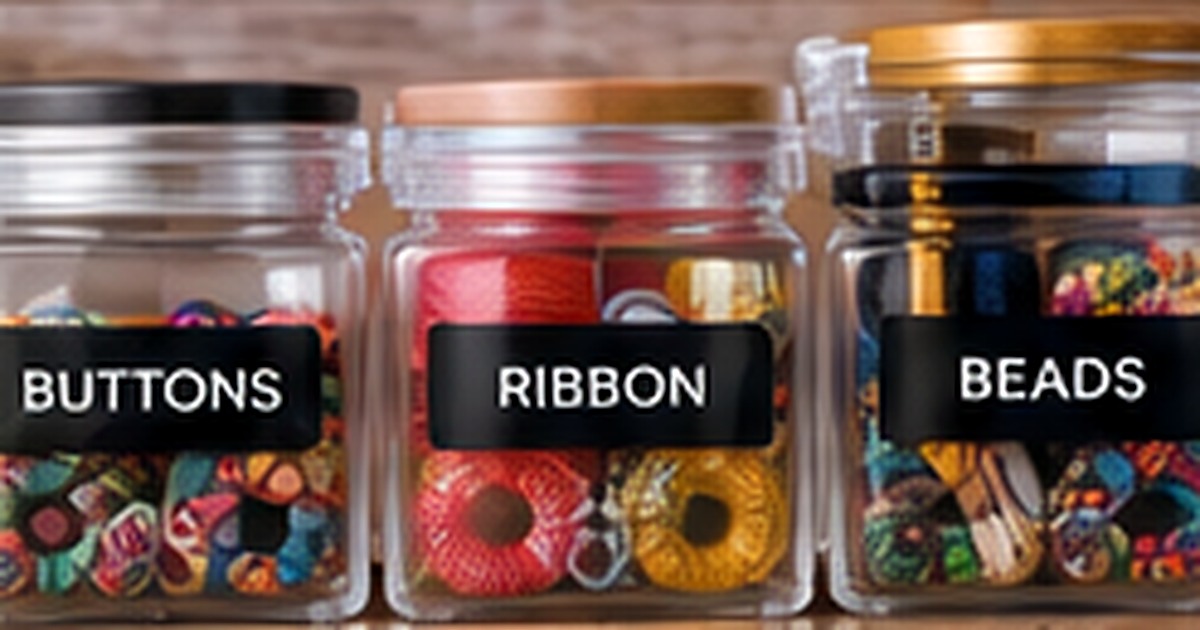
Transparent jars and bins show the contents, but labels still clarify similar materials and make restocking easier. Keep the wording concise and place it consistently. For very small parts, include size or material when that distinction matters. Avoid labeling every tiny container with a long description; use drawer or shelf categories to support the individual labels.
Create a dedicated area for works in progress
Unfinished projects often create more clutter than supplies. Give each active project a box, tray, or bag with a label that includes the project name and next step. This makes it easier to pause and restart without searching for pieces. Limit the number of active-project containers so the system encourages completion rather than storing endless beginnings.
Keep frequently used tools visible and close
Scissors, rulers, adhesive, pens, and cutting tools should live near the main work surface. Label drawers or cups by tool type, not by an idealized category that no one remembers. Rarely used equipment can move to higher shelves or deeper storage. The most efficient craft room gives the easiest access to the supplies used most often.
Review categories as the hobby changes
A craft collection evolves. A drawer once devoted to scrapbooking may become better suited to vinyl or sewing tools. Use labels that can be replaced cleanly and revisit the layout a few times a year. Donate supplies that no longer fit current interests so the system remains useful instead of becoming an archive of abandoned hobbies.
A practical craft-zone layout
A maker might dedicate one shelf to paper, one drawer unit to small findings, and one rolling cart to active tools. Clear jars hold buttons and beads with short labels; ribbon is divided by width; unfinished projects sit in named boxes with a next-step card. The worktable remains mostly open. Because each category reflects how materials are selected, cleanup takes minutes rather than becoming a separate project.
Common craft-room labeling mistakes
Avoid creating categories so narrow that one new supply requires a complete reorganization. Do not place rarely used materials in the easiest positions while daily tools remain buried. Labels should not hide the contents of clear containers or include abbreviations no one remembers. A beautiful craft room still needs a simple reset routine after each project.
Do one real-world review before finalizing
Before committing to the final approach, create one complete sample using the actual materials, names, address details, containers, or stationery involved in craft room labeling ideas. View it in normal light, handle it the way a recipient or household member would, and ask another person what they notice first. This last review catches small problems with scale, wording, placement, and usability. Record the approved choices so a future reorder or update begins from a tested version rather than an old draft or memory.
Quick checklist
- Organize by the way you choose materials
- Keep labels short and consistently placed
- Give active projects their own containers
- Update categories as hobbies change
Frequently asked questions
Should craft supplies be organized by color or material?
Use the attribute you look for first. Different supply types may need different sorting logic.
Do clear jars still need labels?
Labels help identify similar items, sizes, and restocking needs even when the contents are visible.
How can I prevent works in progress from taking over?
Limit active-project containers and include the next action on each label so projects are easier to resume and complete.
Put the plan into practice
A thoughtful system is easier to use when the design and supplies support the real task. Explore custom labels to create coordinated pieces that remain clear, practical, and personal.