
Build a Consistent Shipping Look with Labels, Stamps, and Cards
Posted by Affordable Address Labels on Apr 2nd 2024
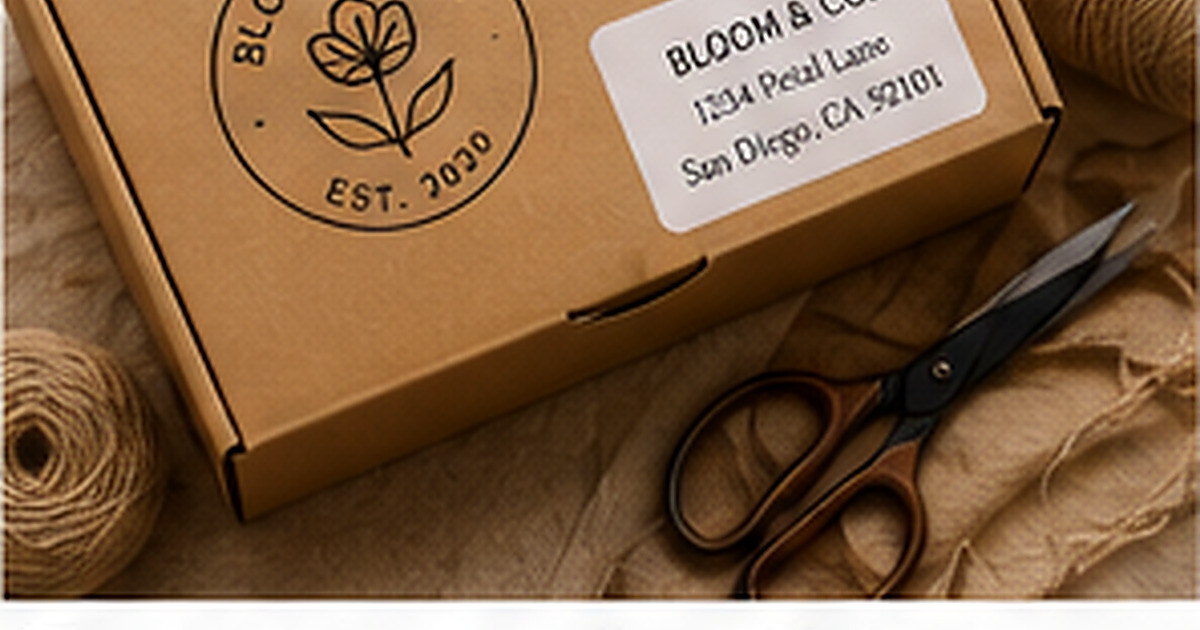
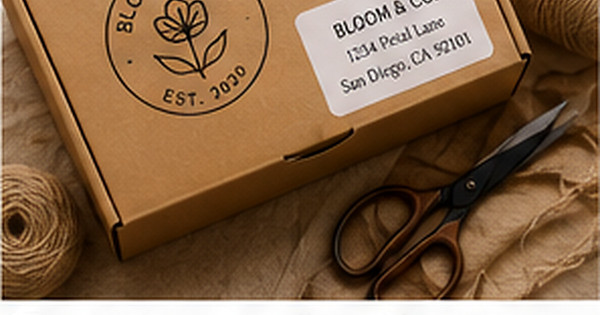
Consistency makes simple packaging feel deliberate. A plain kraft box can look professional when the return label, stamp impression, thank-you card, and packing slip repeat the same business name, colors, and tone.
The objective is not to make every shipment elaborate. It is to create a repeatable system that employees can assemble quickly and customers can recognize immediately.
Define a small set of brand rules
Choose one logo version, one primary typeface, one accent color, and one writing tone for shipping materials. These rules should be simple enough to follow on a busy day. A small guide with photos of finished packages is often more useful than a long brand manual.
Specify which business name should appear on customer-facing pieces, especially when the legal entity differs from the storefront name. Consistent naming reduces confusion in delivery notifications and returns.
Give each piece one job
The carrier label handles routing. The return address label identifies the sender. A stamp can mark tissue paper, envelopes, or kraft boxes. The thank-you card provides a human message. Separating these roles keeps every piece readable.
Avoid repeating the same long marketing message on every surface. A customer should see a clear brand, not a wall of promotion.
Standardize placement
Choose approved locations for the return label, logo sticker, packing slip, and card. Placement standards improve speed and reduce clutter, particularly when several package sizes are used.
Photograph one finished example for each box or mailer size. Keep the examples near the packing area so temporary staff and helpers can follow them without guessing.
Design for sustainable reordering
Use evergreen materials for the core system and add seasonal pieces only when needed. A neutral return label and stamp can remain in use while a holiday card or colored tissue changes.
Record product numbers, dimensions, ink colors, and reorder points. Consistency disappears quickly when the team cannot find the same supplies again.
A simple shipping stationery system
- Branded return address label
- One self-inking logo or message stamp
- Packing slip template
- Short thank-you card
- Approved tissue or filler
- Photo placement guide
- Reorder list with product numbers
Put the system into practice without slowing fulfillment
Start with one normal order or mailing and document every step. Place the consistent small business shipping look where it would be used in real production, photograph the finished result, and note any point where the team has to stop and make a decision. A good system reduces those decisions by standardizing size, placement, wording, and reorder information.
Test the process during an ordinary week before a holiday or sales event increases volume. The label or stationery piece should be easy to apply, easy to recognize, and easy to replace when supplies run low. Keep a small approved sample at the packing station so new team members can compare their work against a real example.
After several weeks, review returned packages, customer questions, and staff feedback. If a label lifts, a stamp smears, or the business name is not immediately recognizable, adjust the material or layout rather than adding more decorative elements. Consistency is valuable only when the underlying process works.
Common mistakes to avoid
- Using a logo that is too detailed at small size
- Crowding the return address with promotional text
- Changing placement from one package to the next
- Ordering supplies without recording product details
- Skipping a real shipping test
A careful proof and a small real-world test prevent most of these problems. Make the design attractive, but let accuracy, readability, and ease of use guide the final decision.
Frequently asked questions
Does custom packaging require printed boxes?
No. Coordinated labels, stamps, cards, and tissue can create a strong presentation on plain boxes or mailers.
How many colors should packaging use?
One primary neutral plus one or two brand accents is usually enough for a consistent, flexible system.
Should every shipment include a card?
Only if the process is sustainable. A brief printed or handwritten card can add value, but inconsistent promises are less useful than a repeatable standard.
How can a team maintain the same look?
Use placement photos, a short supply list, and clear reorder points for each component.
Build a stationery system that fits real life
The best personalized paper goods are the ones you reach for often. Choose clear, accurate designs, store them where correspondence happens, and reorder before a holiday or event creates a rush. Explore personalized address labels, rubber stamps, and greeting cards to create a practical set for home, celebrations, or business mail.