
Best Practices for Return Address Etiquette
Posted by Affordable Address Labels on May 14th 2021
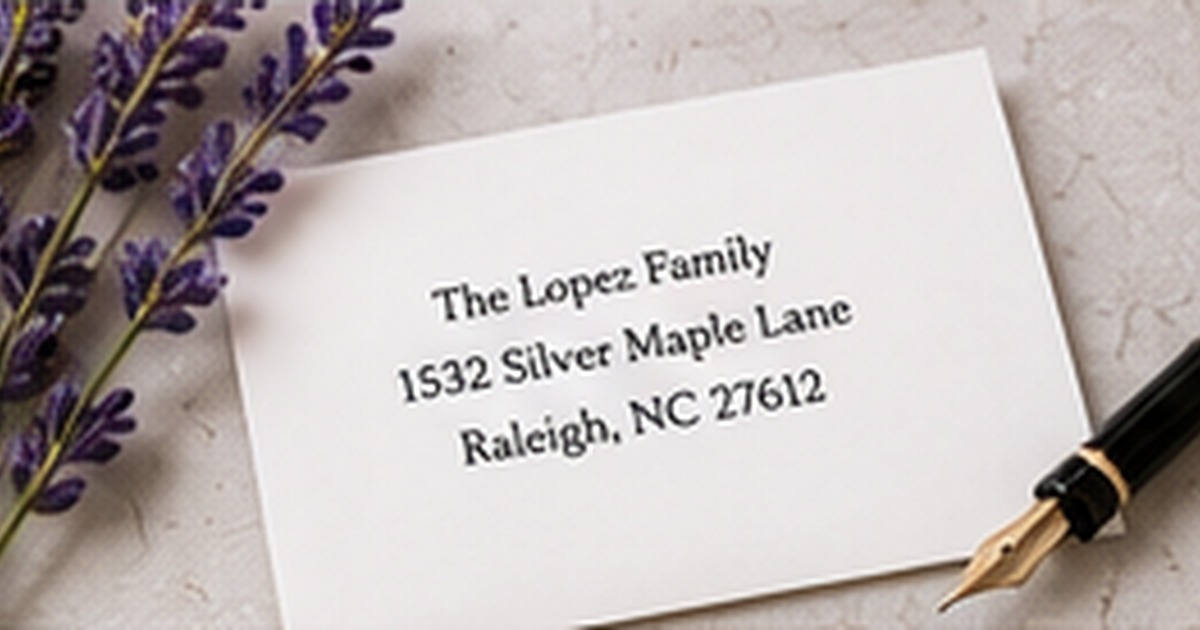
The return address helps undeliverable mail find its way back and tells the recipient who sent the envelope. Good etiquette is less about rigid formality and more about clarity, consistency, and using a name format that suits the relationship.
Use a verified postal address, place it consistently, and choose wording that reflects the actual sender rather than following a formula that does not fit. The following steps focus on real use, clear communication, and a result that can be maintained instead of looking good only on the day it is created.
Include the information needed for return delivery
Use the sender name or household line. This is the foundation of this part of the system because it keeps the purpose clear before design or quantity decisions are made. Next, include the full street address, apartment or unit when required, city, state abbreviation, and ZIP code. Next, verify the postal format before printing. Next, avoid decorative wording that makes the address harder to interpret. This approach works because it makes the next action obvious and removes the need to reinterpret the system each time.
Choose an appropriate name format
A useful starting point is to use individual names, a family name, or a household description based on who is sending the mail. That choice creates a clear rule that can be repeated across the entire project. Next, respect different surnames and titles. Next, keep business correspondence under the organization or professional sender name. Next, apply the chosen format consistently across the mailing. Before ordering or applying the full quantity, test one real example under the same conditions in which it will be used.
Place the return address consistently
The most dependable method is to the upper-left front corner is the most familiar location for everyday mail. It reduces exceptions and makes the finished result easier to understand at a glance. Next, the back flap is common for formal invitations and decorative stationery. Next, follow any postal or carrier requirements for unusual envelope formats. Next, test labels so they do not cross seams or interfere with closure. Consistency matters more than complexity: a modest system followed every time is more useful than an elaborate one that people avoid.
Balance formality and readability
Begin by planning to formal invitations may use full names and titles. Once that decision is settled, the remaining design and organization choices become much easier. Next, casual family cards can use a shorter household format. Next, avoid ornate scripts for small address lines. Next, make sure the text contrasts with the envelope color. The final check should be practical rather than purely visual, including readability, placement, durability, and ease of replacement.
Update labels when circumstances change
For this step, it helps to retire old labels after a move. The goal is a repeatable result, not a one-time arrangement that is difficult to maintain. Next, review household names after marriage or family changes. Next, replace stock when postal formatting changes. Next, destroy outdated business labels that contain old contact information. Document the decision in a saved proof, sample, or short note so future reorders and updates do not start from zero.
Quick checklist
- Use the sender name or household line
- Use individual names, a family name, or a household description based on who is sending the mail
- The upper-left front corner is the most familiar location for everyday mail
- Formal invitations may use full names and titles
- Retire old labels after a move
Frequently asked questions
Is a return address required on every envelope?
It is not always legally required, but it is strongly recommended so undeliverable mail can be returned.
Can the return address go on the back flap?
Yes, especially for invitations and formal stationery, provided it remains clear and acceptable for the mailing method.
Should children be included in the family name line?
That is a personal choice. The label only needs to identify the sender clearly and appropriately.
Put the plan into practice
A clear system makes the project easier to complete and easier to repeat. Review one full-size sample, correct any wording or spacing issues, and keep the final details for future use. Explore personalized address labels to coordinate the practical pieces with the look you want.