
A Room-by-Room Guide to Personalized Home Labels
Posted by Affordable Address Labels on Aug 7th 2019
Home labels are most helpful when they answer a real question: where does this belong, who uses it, or what is inside? Labeling every object can create visual noise, but a focused system reduces repeated decisions and makes it easier for everyone in the household to put things away.
Room-by-room planning keeps the project practical. Start with one area where items are regularly misplaced, choose a consistent naming style, and expand only after the first system proves useful.
Kitchen and pantry
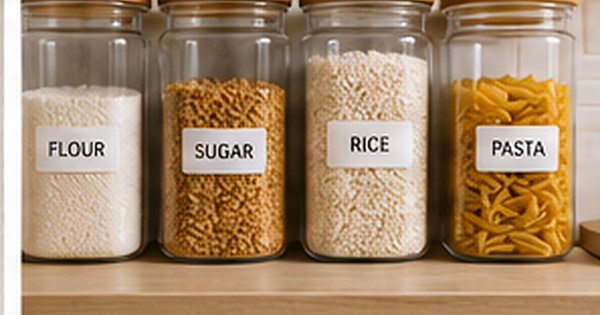
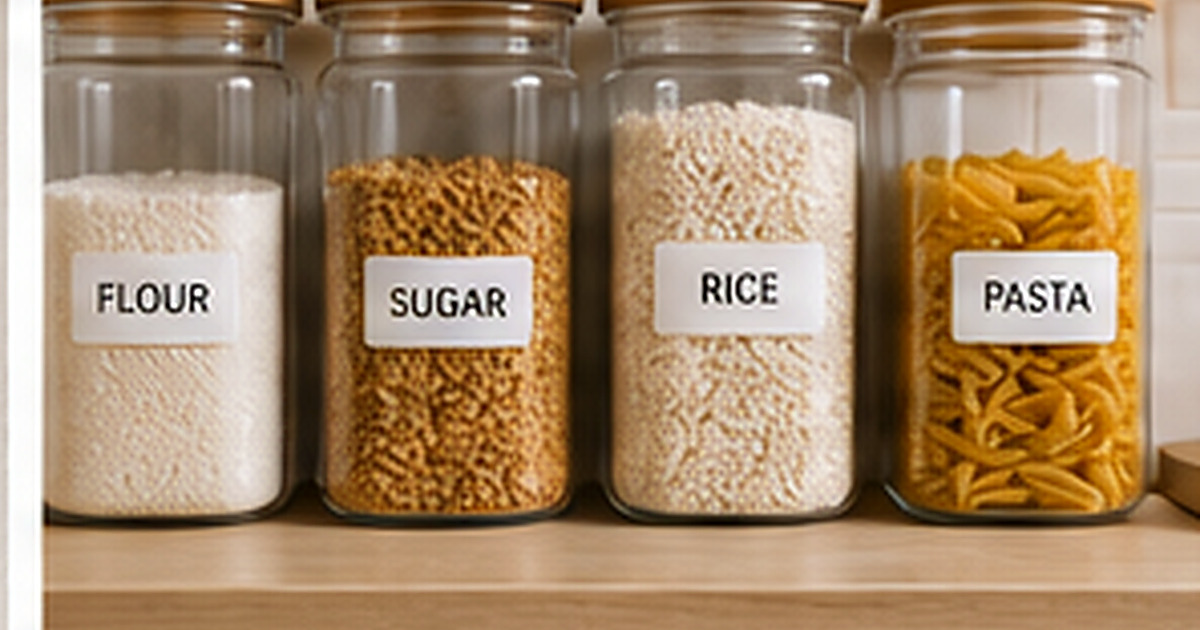
Label decanted ingredients with the product name and, when useful, an expiration or purchase date. Containers for flour, sugar, rice, pasta, coffee, and snacks benefit from large, simple text that can be read from the shelf. Avoid decorative wording that makes similar ingredients hard to distinguish.
For baskets and bins, label categories rather than individual brands: baking, breakfast, school snacks, tea, or meal prep. Category labels survive packaging changes and help family members return items to the right zone.
Entryway, laundry, and utility spaces
Use name labels for hooks, shoe baskets, sports gear, and reusable bags when several people share the area. In the laundry room, labels for cleaning cloths, stain supplies, pet items, and repair tools keep small products from becoming an unsorted shelf.
Choose moisture-resistant materials near sinks, detergent, or outdoor gear. Labels should be removable when storage needs change, especially on rented-property surfaces or reusable bins.
Bedrooms and closets
Closet labels work best for items that are difficult to identify from the outside: seasonal clothing, keepsakes, extra bedding, accessories, and outgrown children’s sizes. Add a broad description and, for long-term storage, a month or year.
In children’s rooms, combine words with simple icons for early readers. Keep categories broad enough that cleanup remains easy. “Blocks,” “art,” and “dress-up” are more sustainable than a separate label for every toy type.
Home office and family paperwork
Label files by action as well as subject. A small system for “to pay,” “to file,” “to sign,” and “to discuss” often works better than immediately sorting every paper into permanent storage. Return address labels can also live in the outgoing-mail section with envelopes and postage.
Review paper and supply labels twice a year. Household systems evolve, and an outdated label can create more confusion than no label at all.
Good candidates for home labels
- Opaque containers
- Shared family storage
- Frequently confused items
- Seasonal bins
- Paperwork action folders
- School and activity supplies
- Products that need a date
Start small, observe the routine, and then expand
Apply the personalized home labels to one high-friction area first. Watch how people actually use the space for a week or two. The most useful labels support an existing routine or make the next action obvious; they do not require everyone to remember a complicated new system.
Use plain language that household members, students, or coworkers naturally use. If everyone says “snacks,” a label that says “individual shelf-stable refreshments” will not improve organization. Short, familiar words are easier to scan and easier to maintain.
Plan for change. Removable labels, blank replacements, and a record of the chosen style make it easier to revise categories without abandoning the entire system. A practical organization project should become easier over time, not more rigid.
Common mistakes to avoid
- Labeling every object instead of the confusing ones
- Choosing decorative wording that users do not recognize
- Ignoring moisture, washing, or surface texture
- Creating categories that are too narrow
- Failing to remove outdated labels
A careful proof and a small real-world test prevent most of these problems. Make the design attractive, but let accuracy, readability, and ease of use guide the final decision.
Frequently asked questions
Should every container be labeled?
No. Label items when the label saves time, prevents confusion, or helps several people maintain the same system.
What type of label works in a pantry?
Choose a material suited to the container and cleaning routine. Removable labels are useful when contents change; durable labels suit long-term staples.
How can labels help children organize?
Use short words, familiar categories, and icons. Place labels where children can see and reach them.
What should be included on long-term storage labels?
Add a clear category, owner or room, and a date when the contents may need review.
Build a stationery system that fits real life
The best personalized paper goods are the ones you reach for often. Choose clear, accurate designs, store them where correspondence happens, and reorder before a holiday or event creates a rush. Explore personalized address labels, rubber stamps, and greeting cards to create a practical set for home, celebrations, or business mail.